 Call Us
Key Takeaways
Renovation Benefits: Renovating before renting can improve a property's presentation, support higher rent, and reduce some future maintenance needs, but the potential benefits should justify the costs.
Renting As-Is: Renting as-is can reduce upfront expenses and shorten the time before a property becomes available, provided it is safe, habitable, clean, and functional.
Cost and Return: Compare renovation costs, potential rental benefits, and lost income to determine which improvements are worth making.
Safety and Compliance: Address necessary repairs and habitability requirements before investing in optional upgrades, and consider permits and lead-safe requirements when planning renovation work.
Preparing a rental property for the market involves deciding whether to renovate first or rent the home in its current condition.
Some improvements may increase rental appeal, while others may cost more than they return in additional income.
For owners in the Willamette Valley, including Salem, Corvallis, and Eugene, the right approach depends on the property's condition, budget, local rental demand, and investment goals.
This guide from Centurion Real Estate Management, explores both options and how to evaluate potential renovation costs and returns.
It is intended for general educational purposes, not as financial, construction, or legal advice.
Get Your Free Rental Analysis Today!
Start With What Needs to Be Addressed
Before considering cosmetic improvements, assess the property's condition.
Oregon law requires landlords to maintain rental properties in habitable condition, including adequate weather protection, functioning plumbing and heating, safe electrical systems, and other essential features.
Smoke alarms, carbon monoxide alarms, and working locks are also addressed by state law. Arrange an inspection and document necessary repairs.
Once safety and habitability requirements are addressed, you can evaluate optional improvements based on their costs and potential benefits.
The Case for Renovating First
Renovating before renting can improve a property's presentation and appeal to prospective renters.
Updated kitchens, bathrooms, flooring, and paint may help a home compete with similar rentals, depending on local rental demand.
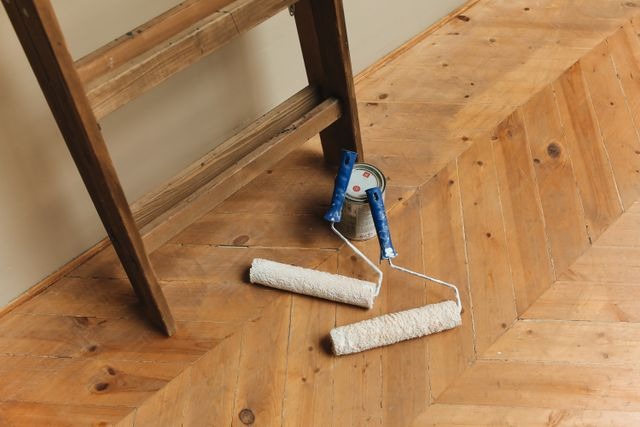
Completing projects while the property is vacant also gives contractors easier access and avoids disrupting an existing resident.
Potential benefits include:
Improved Presentation: Fresh finishes and updated features can create a stronger first impression.
Potential for Higher Rent: Certain improvements may support higher pricing when comparable properties justify it.
Reduced Maintenance: Replacing worn fixtures or addressing aging systems may prevent some future repair needs.
Greater Convenience: Major projects can be completed before a new resident moves in.
However, renovation costs should be weighed against realistic rental income expectations.
The Case for Renting As-Is
Renting in the property's current condition can make sense when the home is already safe, habitable, clean, and functional. Dated but well-maintained finishes do not necessarily need replacement before listing.
This approach can reduce upfront expenses, preserve cash for other investment needs, and allow owners to begin collecting rent sooner.
Other potential advantages include:
Lower Initial Costs: Avoid spending on cosmetic improvements that may not affect rental value.
Earlier Availability: Skipping optional projects can shorten preparation time.
Greater Flexibility: Owners can evaluate rental performance before investing in additional upgrades.
Future Planning: Improvements can be scheduled during a later vacancy.
The asking rent should reflect the property's condition and comparable local rentals. Renting as-is does not mean postponing necessary repairs or overlooking habitability requirements.
Compare Costs and Potential Returns
Evaluate individual projects rather than treating renovation as an all-or-nothing decision.

Consider three factors:
Cost: Include materials, labor, permits, and potential lost rental income.
Benefit: Determine whether the improvement could increase rent, reduce maintenance, or improve marketability.
Payback: Estimate how long additional rental income or savings would take to recover the investment.
For example, replacing damaged flooring may improve presentation and address a maintenance concern.
A complete kitchen renovation may require a much larger investment without producing a proportional increase in rent.
Get multiple contractor estimates and use comparable rental properties to establish realistic expectations.
Upgrades That May Make Sense
The most worthwhile improvements depend on the property and local competition. However, several categories are worth considering:
Fresh Paint: Neutral, durable finishes can make spaces look clean and well-maintained.
Flooring: Clean, intact, easy-to-maintain materials can improve appearance.
Kitchen and Bathroom Updates: Replacing worn fixtures and improving lighting can refresh these spaces.
Heating and Insulation: Properly functioning systems and weatherproofing support comfort and efficiency.
Moisture Control: Addressing leaks and ventilation problems helps prevent property damage.
Curb Appeal: Basic landscaping and a clean entryway improve the property's first impression.
These improvements do not guarantee higher rent, so compare their costs with the potential rental benefits.
Check Out Our Property Management Services Today!
Upgrades That May Not Pay Off
Expensive finishes, luxury materials, and highly customized designs may be difficult to justify in a rental property.
For example, replacing a functional kitchen with premium materials may add significant expense without meaningfully increasing achievable rent.
Also consider ongoing maintenance. Specialty fixtures and delicate surfaces may require more expensive repairs or replacement parts.
Durable, practical materials often offer a better balance between appearance and long-term upkeep.
Consider Timing and Vacancy Costs
Every additional week spent on optional renovations may delay rental income. Consider contractor availability, material delivery, project timelines, and potential delays before starting work.

Local rental demand matters, too. In university communities such as Corvallis and Eugene, academic calendars and seasonal leasing patterns may influence when prospective renters begin searching.
A phased approach is another option. Complete necessary repairs and the most valuable improvements first, then consider additional upgrades during a future vacancy.
Permits, Safety, and Legal Considerations
Some renovation projects require permits or inspections, particularly those involving structural changes, plumbing, or electrical systems. Check local requirements before beginning work.
Properties built before 1978 also require attention to lead-based paint regulations. Covered renovation activities must follow applicable federal and Oregon lead-safe work requirements.
Oregon's Residential Landlord and Tenant Act establishes ongoing responsibilities for property owners, including habitability and maintenance requirements.
Review current regulations and consult qualified professionals with specific legal questions.
How a Property Manager Can Help
A local property manager can help owners evaluate rental pricing, comparable properties, and improvements that may appeal to prospective renters.
Services may also include property evaluations, maintenance coordination, and contractor scheduling.
Centurion Real Estate Management serves Salem, Corvallis, Eugene, and surrounding Willamette Valley communities.
The company has more than 20 years of experience and offers free rental analyses to help owners assess their properties' earning potential.
Before hiring a manager, compare services, fees, maintenance procedures, and guarantees.
Bottom Line
Renovating before renting and listing a property as-is can both be practical strategies. Address necessary repairs first, then evaluate optional improvements based on cost, rental demand, and potential returns.
Centurion Real Estate Management can help Salem, Corvallis, and Eugene property owners assess their rental potential and determine which improvements may be worthwhile before listing.
Frequently Asked Questions
1. How Often Should Rental Property Owners Budget for Improvements?
Rental property owners should review their property's condition annually and maintain a reserve for routine maintenance and larger replacements.
Roofs, appliances, HVAC systems, and plumbing have different lifespans, so planning ahead can help spread expenses over time rather than relying on last-minute repairs.
2. Should I Keep Receipts for Rental Property Renovations?
Yes. Keep invoices, contractor agreements, permits, and receipts for materials and labor.
These records help track the property's investment history and may be useful when preparing taxes or calculating the property's adjusted cost basis.
Tax treatment varies depending on whether an expense qualifies as a repair or capital improvement.
3. Can I Renovate a Rental Property While It Is Occupied?
Yes, many improvements can be completed while a property is occupied, provided the work complies with applicable laws, lease terms, and entry requirements.
Owners should coordinate schedules, communicate with residents, and consider whether the work affects essential services or access to the home.
4. Should I Replace Older Appliances Before Renting Out My Property?
Not necessarily. Appliances that function properly and meet applicable safety requirements may not need immediate replacement.
However, owners should consider their age, condition, repair history, energy use, and replacement costs when deciding whether to keep or upgrade them.
5. How Can I Prioritize Improvements Across Multiple Rental Properties?
Owners with multiple rentals can prioritize projects based on safety, property condition, expected maintenance costs, and potential impact on rental performance.
Address urgent issues first, then compare the costs and benefits of optional improvements across the portfolio.
6. Are Rental Property Improvements Tax Deductible?
Some expenses may qualify as current deductions, while others must be capitalized and depreciated over time.
The distinction generally depends on the nature and extent of the work. Owners should maintain detailed records and consult a qualified tax professional about applicable IRS rules.