 Call Us
Replacement Cost vs. Actual Cash Value: Why Your Rental Property Insurance May Be Leaving You Dangerously Underinsured in 2026
Home values and construction costs have skyrocketed over the past few years — yet many rental property owners are still carrying the same insurance limits they bought years ago. Insurance premiums have risen sharply (landlord policies now commonly run $800–$3,000+ per year for a typical single-family rental, with even steeper jumps in high-risk states), but the coverage itself often hasn’t kept pace. The result? A growing number of landlords discover — too late — that they’re underinsured when they need to file a claim.
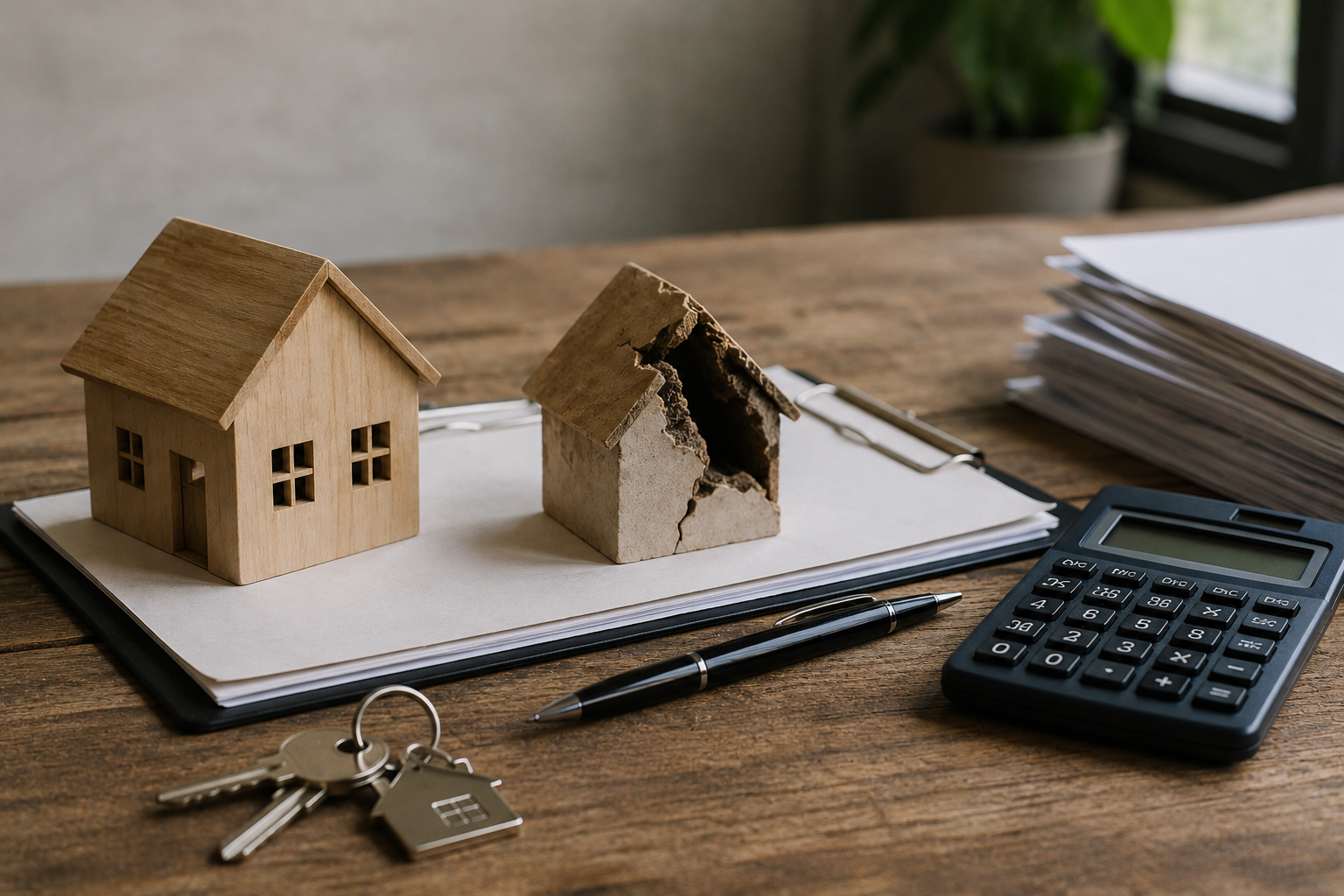
At the heart of this problem is one critical choice most rental owners never think about: Actual Cash Value (ACV) versus Replacement Cost Value (RCV) coverage. Understanding the difference — and how depreciation works — could save you tens or even hundreds of thousands of dollars after a fire, storm, or major loss.
What’s the Difference Between Actual Cash Value and Replacement Cost Coverage?
These two terms determine exactly how much your insurer will pay when something goes wrong.
Actual Cash Value (ACV) This is the cheaper option and the default on many older landlord policies. Payout = Current replacement cost – depreciation – your deductible. Your 15-year-old roof that would cost $20,000 to replace today might only be worth $8,000 after depreciation. That’s what you get.
Replacement Cost Value (RCV) This is the stronger (and usually more expensive) option. Payout = Full cost to repair or replace with new materials of like kind and quality — no depreciation deducted. Same roof? You get the full $20,000 (minus deductible), so you can actually rebuild to today’s standards.
Many landlord policies start with ACV on the building and contents. Upgrading to RCV is often an endorsement or policy option you have to request — and it can raise your premium noticeably. But in today’s market, the extra protection might be worth it to you.
How Insurance Companies Handle Depreciation — and Why It Hurts Rental Owners
Depreciation is the silent killer of claims. Insurers use age, condition, and expected useful life to reduce what they owe:
Roof: often depreciated 20–30 years
Siding or flooring: 15–25 years
Appliances and HVAC: 10–15 years
Cabinets and fixtures: even faster
Here’s a real-world example many landlords face after a kitchen fire or water damage:
Cost to replace kitchen cabinets and counters with new materials: $15,000
Under ACV: insurer says the 12-year-old cabinets are 60% depreciated → you receive only $6,000
Under RCV: you receive the full $15,000 (or the insurer pays ACV first, then sends the remaining “recoverable depreciation” once you show proof of repairs)
Rental properties are especially vulnerable because many were built decades ago and have tenant turnover wear. When owners choose ACV to save a few hundred dollars a year on premiums, they unknowingly accept that risk.
Why So Many Rental Owners Are Underinsured Right Now
Construction costs (labor, lumber, roofing materials) have risen dramatically since 2020. Rebuilding a home today often costs 30–50% more than it did five years ago — far more than simple market-value appreciation.
Yet most policies are renewed automatically with the same dwelling limit. If your policy still says $250,000 to rebuild but current costs are $380,000, you’re underinsured. Many policies also contain a coinsurance clause (typically 80%): if you’re insured for less than 80% of the true replacement cost, the insurer can reduce your claim payout proportionally.
Add in the fact that landlord insurance premiums themselves have climbed significantly (some areas seeing 20%+ annual increases), and many owners have been forced to raise deductibles or accept lower limits just to keep the policy affordable. The result is a perfect storm: higher premiums + outdated coverage limits + ACV depreciation = a claim that doesn’t come close to covering the damage.
What Really Happens When You File a Claim: The Issues No One Talks About
Rental property claims are more complicated than standard homeowners claims. Here are the most common painful surprises owners face:
Depreciation disputes — Adjusters often depreciate more aggressively than owners expect. Fights over “useful life” of components can delay payment for months.
What’s covered vs. what’s not
Usually covered: fire, wind/hail, lightning, theft, sudden water damage (burst pipe).
Often excluded: flood (separate NFIP or private flood policy needed), earthquake, mold (unless sudden), gradual wear and tear, tenant belongings (your tenants need their own renter’s insurance), intentional damage by tenants, and “ordinance or law” upgrades (new building codes after a loss).
Loss of rental income: Many policies offer “fair rental value” or business income coverage, but it’s often limited in duration and requires proof of lost rent.
Underinsurance penalty — If you’re underinsured, you become your own co-insurer and pay a percentage of every dollar of loss.
Recoverable depreciation delays — With RCV, you may only get the ACV amount upfront. You must actually start repairs and submit receipts before the insurer releases the rest — cash-flow problems for landlords who rely on rental income.
Code compliance and upgrades — Older rentals often need expensive modern upgrades (plumbing, electrical, accessibility) after a total loss. Without “Ordinance or Law” coverage (usually 10–25% extra), you’re on the hook.
What You Should Do Right Now
Don’t wait for a loss to find out. Take these steps today:
Ask your agent or insurer for a current replacement cost estimate (not market value — use a professional estimator or their tool).
Compare your dwelling coverage limit to that number.
Find out exactly whether your policy is ACV or RCV on the building and on contents.
Inquire about adding or increasing:
Replacement Cost coverage
Ordinance or Law coverage
Loss of Rents / Fair Rental Value
Higher limits for debris removal
Questions Every Rental Owner Should Ask Their Insurance Agent
Here’s a short script you can use:
“Is my current dwelling limit enough to fully rebuild at today’s construction costs, or am I underinsured?”
“Does my policy pay Replacement Cost or Actual Cash Value for the building and contents?”
“What would depreciation look like on my roof, siding, and major systems if I had a claim today?”
“How much would it cost to upgrade to full Replacement Cost and add Ordinance or Law coverage?”
“Do I have adequate Loss of Rents coverage if the property is unlivable for months?”
“Are flood or earthquake endorsements available and recommended for my area?”
Protect Your Investment Before the Next Claim
Your rental property is likely one of your largest assets. With insurance costs continuing to climb and construction prices showing no sign of dropping, the cheapest policy is rarely the smartest one. A few hundred extra dollars per year for proper Replacement Cost coverage and updated limits can mean the difference between a fully rebuilt, income-producing property and a devastating financial loss.
Take 15 minutes this week to review your declarations page and call your agent. Ask the tough questions now — so you’re not forced to ask them after a disaster.