 Call Us
Key Takeaways
Oregon landlord-tenant law outlines clear rules for disclosures, security deposits, rent increases, and eviction procedures that both landlords and tenants should understand.
Landlords must provide specific written disclosures at the start of a tenancy, including information about property management, safety devices, and certain property conditions.
Tenants have the right to a habitable rental home and proper notice for rent increases, entry, or lease termination under Oregon law.
Following Oregon’s notice requirements, deposit timelines, and maintenance standards helps landlords stay compliant and protect their rental investment.
Oregon has detailed statutory requirements governing security deposits, rent increases, entry rights, habitability standards, and eviction procedures.
Landlords are required to comply with these rules; failure to do so can delay evictions, invalidate notices, or result in financial penalties. Both landlords and tenants should understand the Oregon Landlord-Tenant Law to avoid disputes and promote a smooth rental experience.
Required Landlord Disclosures in Oregon
Oregon requires landlords to provide specific written disclosures at the beginning of a tenancy.
Lead-Based Paint
If a rental home was built before 1978, the landlord must inform tenants about any lead-based paint used in the home.
Owner or Agent Identity
Landlords must disclose the name, contact information, and address of the owner or person authorized to manage the property and receive legal notices. Tenants must know who is legally responsible for maintenance and official communication.
Security Deposit Terms
Oregon law does not set a statewide limit on the amount a landlord may charge as a security deposit, and it does not require the deposit to be held in a separate bank account.
However, rental property owners are required to return the security deposit within 31 days after the tenant vacates the property.
The landlord must provide a written statement detailing deductions for the portion deposit that is withheld. Not following these steps could make the landlord responsible for any issues.
Smoking Policy
If smoking is restricted or allowed only in certain areas, the policy must be clearly stated in the lease.

Flood Zone Disclosure
If the property is located in a 100-year floodplain, landlords must disclose that fact to the tenant.
Smoke and Carbon Monoxide Alarm Disclosure
Landlords must inform tenants about the presence and maintenance of smoke alarms and carbon monoxide detectors, which must comply with Oregon safety requirements.
Pending Suits
If a property has four or fewer units and a known suit is pending, landlords must inform the tenant of the pending suit and any other outstanding notices.
Common Area Utilities
Properties that share utility meters between multiple units or common areas must disclose this fact in the lease.
Recycling
This disclosure applies to properties in a city or in the county within the urban growth boundary with five or more dwelling units that implement multifamily recycling services.
Oregon Tenant Rights and Responsibilities
Tenant Rights
Tenants in Oregon have the right to occupy a rental property that meets statutory habitability standards. They are entitled to proper written notice before rent increases, termination of tenancy, or landlord entry.
Oregon also protects tenants from unlawful discrimination and improper eviction practices. If landlords fail to maintain the property or follow required notice procedures, tenants may pursue remedies permitted under state law.
Tenant Responsibilities
Tenants must pay rent as agreed and comply with the lease. They must keep the rental unit reasonably clean and avoid damaging the property beyond normal wear and tear.

Tenants are required to notify landlords of needed repairs and allow lawful access when proper notice is given. Failure to meet these obligations may result in termination notices or eviction.
Oregon Landlord Rights and Responsibilities
Landlord Rights
Oregon landlords have the right to collect rent, increase rent with proper notice, access the rental unit for lawful purposes, deduct lawful charges from a security deposit, and pursue eviction for legally recognized causes.
However, these rights must be exercised strictly according to statutory procedures.
Landlord Responsibilities
Landlords must maintain rental units in habitable condition. This includes keeping plumbing, electrical, and heating systems in working order and ensuring the property complies with health and safety standards.
Necessary repairs must be made within a reasonable time after receiving notice from the tenant. Landlords must also follow Oregon’s specific termination and eviction rules. Improper notice or procedural errors can invalidate an eviction case.
An Overview of Oregon Landlord–Tenant Laws
1. Tenant Privacy and Landlord’s Right to Enter
Oregon requires landlords to provide at least 24 hours’ written notice before entering a rental unit for non-emergency reasons such as inspections, repairs, or showings.
Entry must occur at reasonable times. In emergencies that threaten health or safety, prior notice is not required. Repeated or unreasonable entry may violate the tenant’s right to quiet enjoyment.
2. Condition, Maintenance, and Repairs
Rental properties must remain habitable throughout the tenancy. This includes maintaining essential services like the heating.
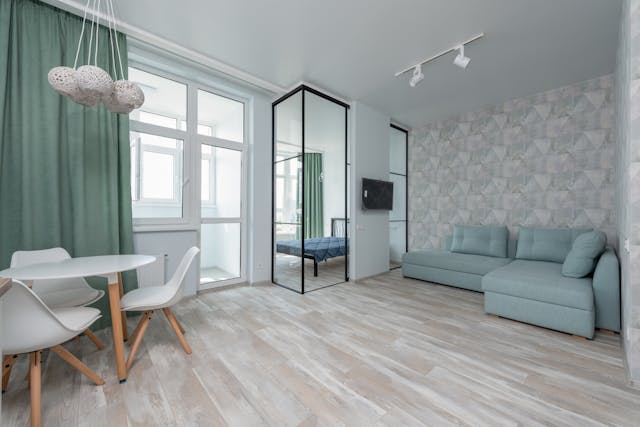
If a landlord fails to correct serious habitability issues after receiving written notice, tenants may have the right to pursue specific statutory remedies, including repair-related options permitted under Oregon law.
3. Housing Discrimination Laws
Oregon landlords must comply with federal Fair Housing protections as well as expanded state protections.
In addition to federally protected classes, Oregon prohibits discrimination based on race, color, sex (including gender identity and sexual orientation), familial status, national origin, religion, or disability. Rental criteria must be applied consistently to all applicants.
4. Security Deposits
Oregon law does not set a statewide limit on the amount a landlord may charge as a security deposit, and it does not require the deposit to be held in a separate bank account.
However, rental property owners are required to return the security deposit within 31 days after the tenant vacates the property.
If any portion of the deposit is withheld, the landlord must provide a written, itemized statement explaining the deductions. Failure to follow these procedures may expose the landlord to liability.
5. Required Landlord Disclosures
All required disclosures must be provided in writing, typically within the lease agreement or as separate notices. Failure to provide required disclosures can weaken a landlord’s position in disputes.
6. Renters’ Rights to Withhold Rent in Oregon
Oregon tenants may have the right to withhold rent or use repair remedies if a landlord fails to correct serious habitability issues.

However, tenants must first provide proper written notice and allow a reasonable opportunity for the landlord to fix the problem. Rent withholding without following statutory procedures may result in eviction for nonpayment.
7. Small Claims Lawsuits in Oregon
Landlord–tenant disputes involving smaller monetary amounts may be filed in the Oregon small claims court. This venue is commonly used for security deposit disputes and unpaid rent claims, and provides a streamlined alternative to traditional civil court.
Conclusion
Oregon landlord–tenant law imposes specific procedural and documentation requirements on rental housing.
Security deposit timelines, entry notice rules, and habitability obligations are strictly regulated. Property owners who understand these requirements reduce their legal risk and protect their investments.
For legal advice, consult a qualified Oregon attorney. Alternatively, working with a professional property management company such as Centurion Real Estate Management, LLC can help ensure compliance and simplify rental operations.
Disclaimer: Please note that the information provided in this blog is intended for general guidance and should not be considered as a replacement for professional legal advice. It is important to be aware that laws pertaining to property management may change, rendering this information outdated by the time you read it.